




rewrite this content using a minimum of 1000 words and keep HTML tags
The International Monetary Fund (IMF) released a video on X on November 28 discussing the advantages and possible challenges created by tokenized markets.
According to the IMF, converting assets into digital tokens has the potential to make transactions quicker and reduce costs by eliminating some intermediaries like clearinghouses and registrars.
However, the group noted that greater speed and automation can also increase the risk of sudden market disruptions, also known as flash crashes. The use of smart contracts built on top of each other might create a chain reaction if one part fails.
Did you know?
Subscribe – We publish new crypto explainer videos every week!
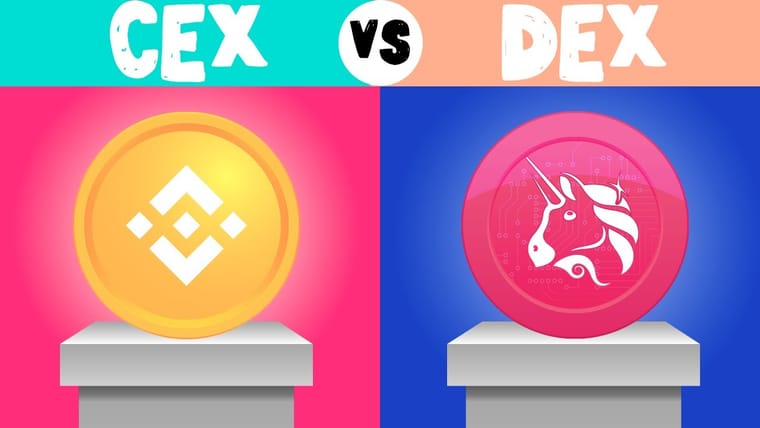
DEX vs CEX: Which is Best for YOU? (Explained with Animation)

Fragmentation is another risk, as various tokenized platforms may not interact well with one another. This can impact liquidity and even reduce the cost-effectiveness that tokenization promises.
The IMF’s video pointed out that authorities have rarely stayed out of changes in the monetary system.
For example, after the 1944 Bretton Woods agreement, countries restructured global finance by linking their currencies to the US dollar and gold. When that structure collapsed, the current era of fiat currencies and floating exchange rates began.

The IMF has researched tokenized assets and digital currency for years and currently considers tokenization a subject of general policy interest.
Amundi, a European asset manager, recently launched a tokenized version of a euro money market fund that offers investors a traditional route and a blockchain-based version. What did the company say? Read the full story.
and include conclusion section that’s entertaining to read. do not include the title. Add a hyperlink to this website [http://defi-daily.com] and label it “DeFi Daily News” for more trending news articles like this
Source link